Hair Oil Types for Scalp and Strand Care
Hair oil can be used to condition the lengths, add shine, support scalp massage, or help manage dryness and frizz. Lightweight oils and blends are often chosen for fine hair or a non-greasy finish, while richer formulas may suit thick, coarse, curly, or textured hair. Some products are designed primarily for the scalp; others are intended for mid-lengths and ends, and a few can serve both purposes. Common options include coconut, argan, jojoba, castor, almond, and olive oils, as well as blends with botanical extracts. Pre-wash treatments, leave-in serums, finishing oils, and scalp oils each fit different routines. When browsing hair oil on Ubuy, compare the product's intended use and directions alongside its ingredients to find a formula that aligns with your hair-care habits.
- Choose by hair type and intended use
- Explore single oils and blended formulas
- Compare pre-wash, scalp, and leave-in options
Ingredients, Formulas, and Hair Goals
The ingredient list can help you compare hair oils beyond product claims. Coconut oil, argan oil, jojoba oil, and grapeseed oil are familiar choices, while silicone-based serums may create a smoother feel and help control the appearance of frizz. Formulas can also include fragrance, essential oils, vitamins, or plant extracts; check the full label if you prefer a simpler blend or need to avoid particular ingredients. Consider whether your main goal is shine, softness, detangling, easier styling, or a scalp massage. Hair oils are cosmetic products and should not be treated as a substitute for care from a qualified professional when you have persistent scalp concerns. Brands such as Moroccanoil, OGX, and Mielle offer different product styles, so compare instructions and formula details rather than relying on brand name alone.
- Review the complete ingredient list
- Match the formula to your hair-care goal
- Check fragrance and other sensitivities
Choose Hair Oil by Hair Texture and Porosity
Hair texture and porosity can influence how an oil feels and how much your routine needs. Fine or straight hair may be weighed down by a heavy application, so a lightweight oil or a small amount focused on the ends can be a practical starting point. Thick, curly, coily, or highly textured hair may suit richer oils or blends used to seal in moisture after washing. Porosity also matters: hair that absorbs products quickly may need a different routine from hair that tends to feel coated. These are useful starting points, not fixed rules, since styling habits, climate, and personal preference affect results. Begin with a small amount, observe how your hair responds, and adjust placement or frequency. Product descriptions on Ubuy can help shoppers compare formats, textures, and intended applications across international selections.
- Consider texture, density, and porosity
- Start with a small amount
- Adjust placement to avoid buildup
Application Methods, Tools, and Routine
How you apply hair oil can shape the finish and fit it into your routine. For a pre-wash treatment, distribute the product through the lengths or massage a scalp-specific formula gently into the roots, following its label directions. As a leave-in, warm a few drops between your palms and smooth them over damp or dry mid-lengths and ends. A dropper can help target the scalp, while a pump or nozzle may make dispensing easier; use clean hands or an applicator and avoid sharing tools. Hair oil can be used before styling or as a finishing step, depending on the formula. Pair it with shampoo, conditioner, a comb, or a hair mask as needed, while avoiding excessive layering that can leave hair feeling heavy. Always follow product instructions, especially for concentrated oils.
- Follow directions for pre-wash or leave-in use
- Apply sparingly and distribute evenly
- Use clean applicators and styling tools
Packaging, Storage, and Product Care
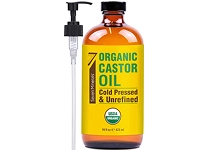
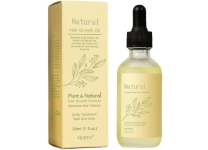
Packaging affects how conveniently you can use and store hair oil. Bottles with droppers or narrow nozzles support targeted application, while pumps can make it easier to dispense a measured amount onto the hands. Dark or opaque containers may help limit light exposure for some oil formulas, but the product label remains the best guide to storage. Keep the cap closed, store the bottle as directed, and avoid introducing water or debris into the formula. Check the package for ingredient details, usage instructions, and any stated period after opening. Natural oils and fragranced blends can differ in scent, texture, and shelf life, so note changes in appearance or smell and follow the manufacturer's guidance. Brands such as Dabur and Kérastase offer examples of different hair-oil formats; compare packaging and application directions to suit your routine.
- Compare droppers, pumps, and nozzle bottles
- Follow label guidance for storage
- Check usage instructions and package details
Select the Right hair oil
To select the right hair oil, first decide whether you want a scalp treatment, pre-wash conditioning step, leave-in product, or finishing serum. Next, consider your hair texture, porosity, styling routine, and preferred finish, then compare ingredients and consistency. A lightweight blend may suit someone seeking a less noticeable feel, while a richer formula may fit a routine for coarse or textured hair. Check whether the directions call for application to the scalp, lengths, or ends, and whether the oil should be rinsed out. Packaging, fragrance, and ease of dispensing can also affect everyday use. If you are exploring international products, Ubuy provides a place to discover hair oils from different brands and compare product details. Start with a modest amount and adjust based on how your hair feels, rather than assuming more oil will produce a better result.
- Decide where and how you will apply it
- Compare ingredients, texture, and directions
- Choose a format that fits your routine