Explore Herbs, Spices, and Seasoning Essentials
Build a versatile pantry with leafy herbs, aromatic spices, ground seasonings, whole spices, and ready-made blends. Herbs such as basil, oregano, thyme, and rosemary bring green, fragrant notes, while spices including cumin, cinnamon, turmeric, paprika, and black pepper add warmth, depth, color, or heat. Seasoning mixes combine ingredients for convenient flavor, from everyday all-purpose blends to rubs for grilling and mixes inspired by particular cuisines. Products may be sold as single ingredients, refill packs, grinder-ready whole spices, or coordinated sets. When browsing herbs spices seasoning, consider how often you cook, the flavors you enjoy, and whether you want to build custom combinations or save time with prepared blends. Ubuy can help shoppers discover international products and different varieties within this broad pantry category.
- Shop individual herbs, spices, and blended seasonings
- Compare whole, ground, dried, and mixed formats
- Choose products for everyday cooking or special recipes
Compare Forms, Flavor, and Freshness
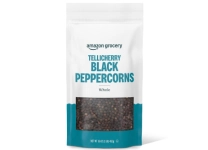
The form of a seasoning affects how it releases flavor and fits a recipe. Whole peppercorns, cloves, cumin seeds, and cinnamon sticks keep their aromatic oils protected until crushed, grated, or simmered; a mill or mortar and pestle makes them easy to use. Ground spices disperse quickly in sauces, doughs, and marinades, while dried herbs are convenient for longer cooking. Fresh herbs generally deliver a brighter, more delicate character and are often added near the end of cooking. Check ingredient labels for the herb or spice itself, added salt, sugar, oils, or anti-caking agents, especially when adapting a recipe. Aroma, color, packaging integrity, and a clearly stated best-before date can help you assess a product. Buy quantities you can use while their flavors remain appealing.
- Whole spices suit grinding and slow infusion
- Ground seasonings blend easily into recipes
- Check labels, aroma, and package condition
Find Seasoning Blends for Different Dishes
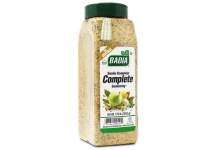
Prepared blends make it simple to season familiar meals or explore new flavor profiles. Italian-style herb mixes can complement pasta sauces, vegetables, and marinades; curry powders combine spices in varied proportions for stews and rice dishes; and taco, barbecue, Cajun-style, and steak seasonings offer convenient starting points for rubs or skillet meals. Garam masala, za'atar, herbes de Provence, and chili blends each have distinct ingredient combinations, so compare labels rather than assuming every mix tastes alike. Some contain salt, heat, or allergens, while others focus on herbs and spices alone. Brands such as McCormick, Badia, Simply Organic, and Frontier Co-op offer examples of established names shoppers may encounter; formulations and product ranges vary. Ubuy provides a way to discover international seasoning products alongside pantry staples, helping you compare blends by ingredients and intended use.
- Explore blends for grilling, baking, and global cuisines
- Review ingredient lists for salt, heat, and allergens
- Compare blend profiles instead of relying on names
Choose Ingredients and Packaging That Suit Your Kitchen
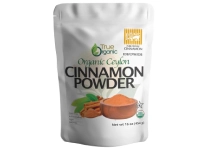
Ingredient quality, packaging, and storage all influence the cooking experience. Dried herbs and spices are commonly packaged in jars, tins, pouches, or resealable bags; opaque, tightly closed packaging helps limit exposure to light, air, and moisture. Whole spices often retain their character longer than ground versions when stored well, though all pantry seasonings gradually lose aroma. Look for clear ingredient information and note whether a product is single-ingredient, blended, salt-free, or labeled for a particular dietary preference. Organic labeling may matter to some shoppers, but it does not by itself determine taste or suitability for a recipe. Keep seasonings in a cool, dry cupboard away from the stove and steam. Use clean, dry spoons, close containers promptly, and replace products when their aroma or flavor has faded noticeably.
- Consider jars, tins, and resealable pouch formats
- Store seasonings away from heat, light, and moisture
- Check ingredients and dietary details before buying
Match Seasonings to Cooking Methods and Dietary Needs
Think about when and how you will use a seasoning before choosing its form. Robust dried herbs, bay leaves, and whole spices can infuse soups, braises, and slow-cooked sauces; delicate herbs and finishing blends are often better added just before serving. Rubs coat vegetables, tofu, fish, or meat before roasting and grilling, while fine powders disperse readily through dressings, batters, and marinades. If a recipe calls for a specific grind or blend, check whether a substitution will alter saltiness, heat, or flavor balance. Review allergen statements and ingredient panels when avoiding ingredients such as mustard, sesame, or additives, and do not assume a blend is salt-free or suitable for every diet. Ubuy makes it possible to browse a range of international products, so compare package details and intended uses before adding a seasoning to your pantry.
- Select formats for simmering, rubbing, or finishing
- Account for salt, heat, and recipe substitutions
- Read allergen and ingredient information carefully
Select the Right herbs spices seasoning
Start with the meals you prepare most, then choose a practical mix of everyday staples and flavors to explore. A basic selection might include black pepper, paprika, cumin, garlic powder, cinnamon, and versatile dried herbs; add specialty spices or cuisine-inspired blends as recipes call for them. Decide whether whole or ground products suit your cooking routine, and compare pack sizes with your expected use so rarely used seasonings do not sit forgotten. Check grind, ingredient list, salt content, packaging, and storage needs, and consider a grinder or airtight containers if they support how you cook. For blends, make sure the profile suits the dish rather than choosing by name alone. Browse product details on Ubuy to compare options and build a considered collection of herbs, spices, and seasonings for everyday meals and new recipes.
- Build around the recipes you cook most often
- Compare pack size, grind, ingredients, and intended use
- Add specialty blends as your cooking interests grow