Reptile and Amphibian Supplies for Different Species
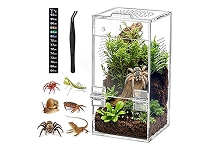
Reptile amphibian supplies include the equipment, habitat furnishings, and care essentials used to support animals with different environmental needs. Common product types include terrariums, vivariums, heat sources, lighting, substrates, hides, water dishes, feeding tools, and cleaning products. A terrestrial gecko, an arboreal tree frog, and a semi-aquatic turtle do not need the same enclosure setup, so start with the species' adult size, activity pattern, and habitat requirements. Consider whether the animal needs climbing space, a swimming area, a humid retreat, or a dry basking zone before choosing products. Ubuy offers a place to explore international reptile and amphibian products across these care categories. Use product details to compare dimensions, intended use, materials, and compatibility, then build a setup around the animal rather than selecting accessories by appearance alone.
- Supplies vary by species and habitat type
- Plan around adult size and natural behavior
- Compare product details before choosing
Terrarium Heating, Lighting, and Climate Control
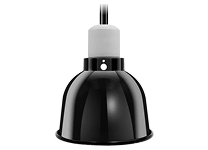
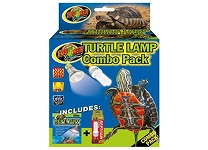
Temperature and lighting equipment help create the environmental gradients many reptiles and amphibians rely on. Options include heat lamps, ceramic heat emitters, under-tank heaters, basking bulbs, and thermostats; the suitable choice depends on enclosure design and the species' needs. Thermostats regulate compatible heat sources, while separate digital thermometers can help check conditions at different points in the habitat. Some reptiles benefit from ultraviolet B (UVB) lighting, with bulb type, strength, distance, and replacement schedule requiring careful attention to the product instructions and animal-specific guidance. Amphibians may have different lighting and humidity needs, so avoid assuming one setup suits every species. Place electrical equipment safely around water and use fixtures rated for the intended bulb. Compare wattage, fitting type, enclosure size, and control features when shopping; Ubuy can help shoppers discover international options in heating and lighting equipment.
- Match heat sources to enclosure design
- Check UVB type, distance, and care guidance
- Use compatible thermostats and fixtures
Enclosures, Substrates, and Habitat Furnishings
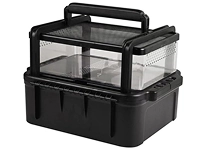
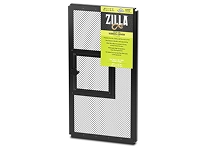
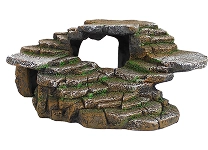
The enclosure provides the foundation for safe, species-appropriate care. Glass terrariums, screen-top habitats, plastic tubs, and purpose-built vivariums differ in ventilation, access, and moisture retention. Select dimensions that accommodate the animal's adult size and movement, and check door design, escape prevention, and room for equipment. Substrates range from paper-based liners and reptile carpet to soil blends, coconut fiber, and bark products; suitability depends on species, humidity, feeding habits, and cleaning routine. Habitat furnishings such as cork bark, branches, rocks, plants, and hides create shelter and opportunities for natural behaviors. Choose stable pieces without sharp edges, and ensure climbing structures cannot topple. For species needing distinct microclimates, arrange dry areas, humid hides, and basking spots thoughtfully. Compare materials and cleaning requirements, and confirm that every item is intended for use in an animal enclosure.
- Choose an enclosure with suitable access and airflow
- Select substrate for species and care routine
- Add stable hides and habitat furnishings
Feeding, Hydration, and Everyday Accessories
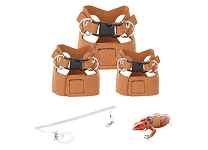
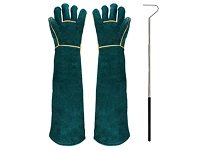
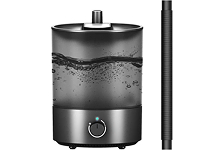
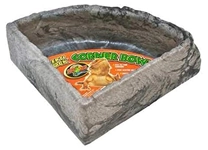
Feeding supplies support different diets, from prepared reptile foods and insect feeders to species-appropriate greens or other recommended foods. Feeding tongs can help place insects or food while keeping hands at a comfortable distance, and feeding dishes provide a defined area for meals. Water bowls should suit the animal's size and habits; some species need a shallow dish, while others use larger water areas or regular misting as part of their husbandry. Amphibian hydration and water quality deserve particular attention, so follow species-specific guidance and use products intended for the animal's setup. Accessories such as spray bottles, feeding ledges, and insect-holding containers can make routine care more manageable. Check dimensions, materials, and cleaning instructions before purchase. Avoid choosing food or supplements solely by label; confirm suitability for the species and its life stage with reliable care guidance.
- Match food and feeding tools to the species
- Choose appropriately sized water dishes
- Follow species-specific hydration and nutrition guidance
Monitoring, Cleaning, and Habitat Maintenance
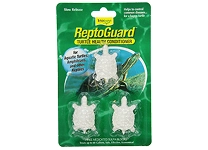
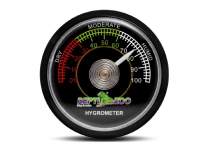
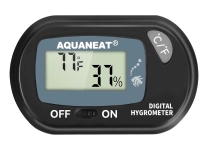
Consistent monitoring helps keep an enclosure within the conditions selected for its inhabitant. Digital thermometers, hygrometers, and combination meters can help track temperature and humidity, while infrared temperature guns measure surface temperatures without contact. Read each instrument's instructions and position sensors where they provide useful readings, such as near a basking area or humid retreat. Routine maintenance products may include reptile-safe cleaners, substrate scoops, water conditioners for applicable setups, and replacement bulbs or filters. Establish a cleaning schedule that suits the habitat and its occupants, removing waste promptly and checking equipment for damage or buildup. Wash and dry reusable dishes and tools as directed, and keep cleaning products stored away from animals. Monitoring devices are aids, not substitutes for attentive care; investigate unexpected readings and review husbandry requirements when conditions change.
- Track temperature and humidity at relevant points
- Clean dishes and habitat items routinely
- Check equipment and replace worn components
Select the Right reptile amphibian supplies
Build a practical shopping list by identifying the species, enclosure type, life stage, and care routine first. Then compare each item's size, material, intended use, power requirements, and compatibility with the habitat. For electrical products, check bulb fittings and thermostat compatibility; for furnishings, consider stability and cleaning needs; for instruments, review measurement range and placement guidance. Make space for essential equipment before adding decorative extras, and account for replacement items such as bulbs or filter media where relevant. Product descriptions can help distinguish similar-looking supplies, but species-specific care references should guide setup decisions. Ubuy provides a platform for discovering international reptile and amphibian products, making it possible to browse categories such as terrariums, lighting, heating, and accessories in one shopping journey. A thoughtful comparison helps create a safer, easier-to-maintain habitat tailored to the animal.
- Start with species-specific care requirements
- Check dimensions and equipment compatibility
- Prioritize essential habitat needs over decoration